Advancing tobacco harm reduction where it's needed most.
More than 80% of the world's 1.3 billion tobacco users live in low- and middle-income countries (LMICs) — where public health systems are the most funding-constrained and least equipped to enforce the bans so often imposed on safer alternatives. HRPR builds the policy case for harm reduction in the developing world, grounded in evidence rather than prohibition.
What is Harm Reduction
A pragmatic approach
Harm reduction is a pragmatic public health approach: when eliminating a risky behaviour outright isn't realistic, reducing its harm is often the more achievable goal. It underlies everyday choices — seatbelts, helmets, safer sex — and extends naturally to substance use, where the aim shifts from elimination to minimising damage. The same logic applies to tobacco and nicotine: switching to a lower-risk product doesn't eliminate all harm, but it can meaningfully reduce it, without requiring the near-impossible standard of total abstinence that many public health strategies assume of everyone who uses tobacco or nicotine.
Why is it often controversial
Tougher to communicate
Abstinence-only policy is simpler to write and easier to defend politically — it demands total cessation, judged on intent. Harm reduction instead accepts that some risk behaviour continues, and judges itself on outcomes. That's a harder case to make to the public, even when it saves more lives in practice.
The scale of the problem
The tobacco burden falls hardest on LMICs
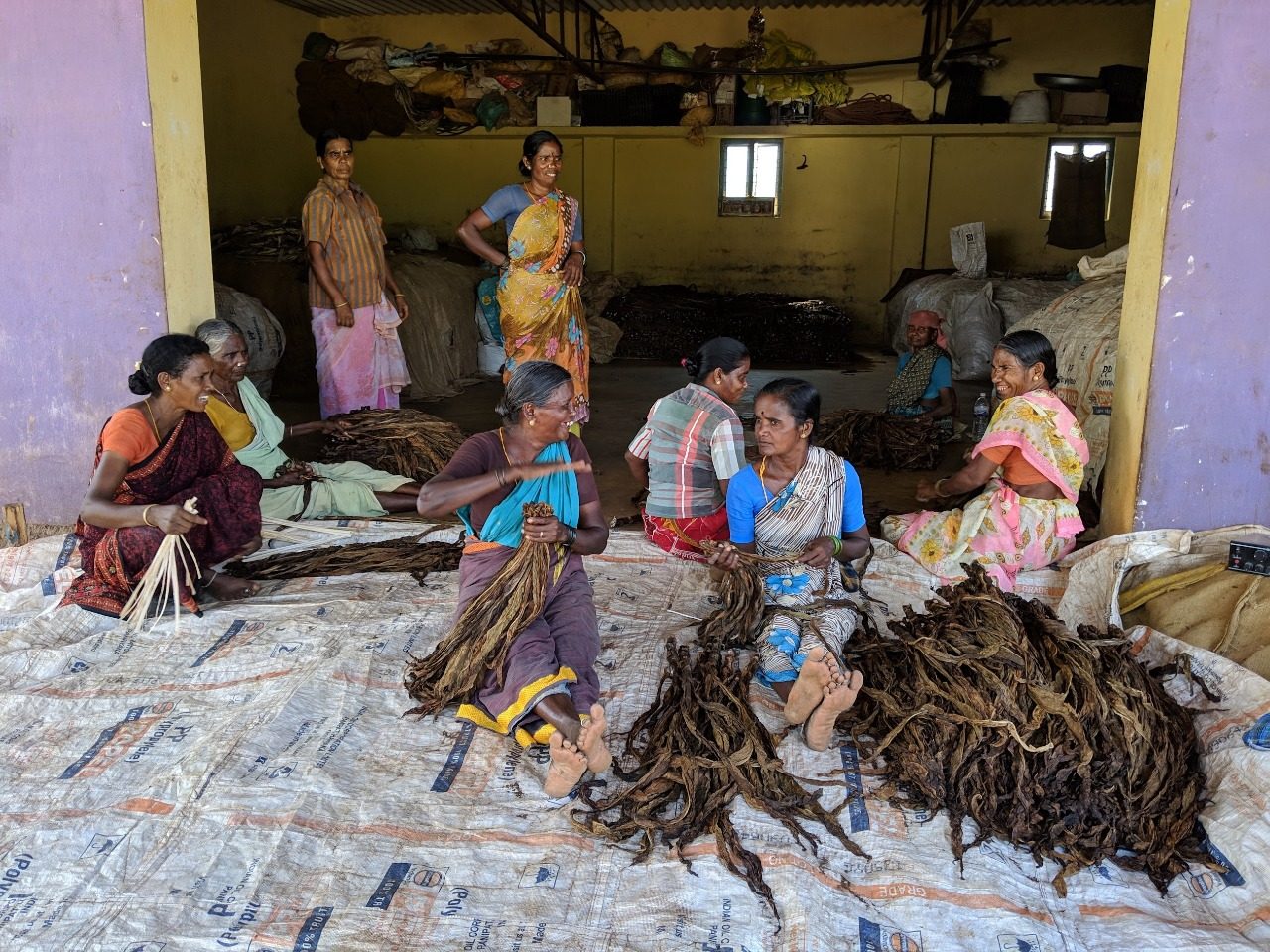
That burden is concentrated exactly where health systems are least able to absorb it. Cessation services reach only a fraction of those who need them, and in many LMICs the dominant products aren't manufactured cigarettes at all but bidis and smokeless tobacco — forms that mainstream cessation programmes were never designed around. Denying safer alternatives here doesn't reduce tobacco use; it removes one of the few realistic paths people have to lower their own risk.
Why bans backfire
Prohibition without enforcement capacity
Blanket bans are easier to legislate than to enforce, and LMICs typically lack the regulatory capacity to do either well. Time and again, banning reduced-risk products has driven users into illicit trade, cut off tax revenue, and pushed people who might have switched back toward cigarettes instead. What works on paper in a well-resourced country often fails on the ground elsewhere.
By the numbers
The human and economic toll in LMICs
LMIC tobacco deaths are projected to double between 2002 and 2030
of all smoking-related deaths will occur in LMICs by 2030
annual tobacco deaths projected worldwide by 2030
of global GDP is lost to smoking-related healthcare costs and productivity loss
of the world's population lacks access to essential health services
people pushed into, or deeper into, poverty by tobacco-related healthcare costs
less spent on education and essential needs by tobacco-using households
Not one-size-fits-all
LMICs are not a single, homogenous bloc
LMICs span a vast range of economies and tobacco-use patterns — from bidi and smokeless tobacco in South Asia to cigarette use across Africa and Latin America. A ban designed for a high-income country and applied wholesale across the developing world ignores these differences, and policy that overlooks local realities tends to fail on the ground, regardless of intent.
What does HRPR do
Policy, research and education
We draft public health policy proposals for LMICs, fund research into local opportunities and gaps, and build education and advocacy capacity in these countries. Our founder has spent over a decade advocating on this issue in India and internationally — a record documented in our press coverage and policy publications.